
The Relational Lab –
The Early Years
A relational training group for clinicians in their first 1–6 years of practice.
Become a Highly Effective Therapist From the Start
The early years of clinical practice are both exciting and overwhelming.
You leave graduate school with education in theory, some clinical practice, and beginning frameworks to support your work. Very quickly, you are sitting across from human suffering and complexity, and in a position of great influence and power.
Every therapist must climb the steep hill of translating academic preparation into clinical acumen.
The Relational Lab – The Early Years exists to support clinicians during this critical stage of development.
This community-based training group is designed for therapists in their beginning years of practice who want to develop the relational depth, clinical confidence, and shared presence that define truly effective clinicians.
Participants meet twice each month for one-hour sessions, combining structured teaching with live case consultation and discussion.
Led by highly trained, career therapists
The Relational Lab - The Early Years cultivates:
→ What is means to work relationally
→ Clinical attunement
→ Courageous and skillful speech
→ Embodied therapeutic presence
Why Relational Skill is Quintessential
No matter who you work with—adults, children, individuals, couples, or families—the most powerful tool in the room is not a specific modality.
The greatest tool of our trade is ourselves!
It is the therapist’s presence and capacity to use our own experiences in the service of bringing consciousness to our clients’ experiences - in ways they don’t yet fully understand. It is often why they have come to therapy!
If we just “do and say supportive things" or stay "unrelentingly validating” without using our own experience of the client in front of us we are not fully present to the relationship with our client.


Great Therapists Know How to:
→ Attune to clients emotionally and relationally
→ Track what is happening beneath the content of a session
→ Use their own emotional and sensate experience as clinical information
→ Co-regulate with clients in moments of intensity
→ Speak with courage and care while maintaining deep respect for the client
→ Track, understand and interrogate their own biases
They develop over time through practice, mentoring, modeling, and reflection.
A central focus of The Relational Lab – The Early Years is the development of therapist “use of self.”
Relational theory has long moved beyond the idea that therapists are neutral observers. Our values, identities, histories, and emotional responses inevitably enter the room with our clients.
The task of becoming a skillful therapist is learning how to observe, manage, and ethically use these experiences in service of the therapeutic process.


These capacities are rarely taught in classrooms and cannot be mastered through textbooks alone.

THE COMPLEXITY OF THE THERAPY ROOM


In every session, therapists are holding multiple layers of awareness simultaneously.
You are balancing:
→ Use of theoretical models you learned in graduate school
→ Deep listening to the content of what your client is saying
→ Understanding the emotions and beliefs beneath the content
→ Curiosity about what is not being said
→ Moment-to-moment decisions about when and how to intervene
→ Tracking themes across sessions
→ Your own internal responses and biases
For early-career clinicians, this complexity can feel overwhelming.
The Relational Lab provides a structured environment where you can slow down, learn from folks who have been practicing clinically for decades, reflect on your work, and strengthen your clinical instincts.
WHY THE EARLY YEARS MATTER
The beginning years of practice are formative.
Research shows that what therapists practice early in their careers often becomes their internal working model of therapy—the framework that guides their work for decades.
Yet many clinicians receive only:
→ One hour of supervision per week and maybe a group supervision
→ Administrative oversight focused on logistics and compliance
→ Limited space to develop relational and clinical confidence
Supervision alone is rarely enough to support both the logistical demands of clinical work and the deeper development of the therapist as a person in the room.
The Relational Lab – The Early Years fills this gap.
It is designed for clinicians who want to establish an intentional foundation for their work from the beginning of their careers.
WHAT PARTICIPANTS RECEIVE
Participants receive a combination of structured learning and collaborative consultation -- with frequency -- for clinical integration.
Half-Day Opening Workshop, Sept 2026
TWO 1-hour sessions each month:
First Half of Each Session: Teaching
Focused depth teaching and group discussion of a specific aspect of relational clinical work (sample topics listed below)Second Half of Session: Case Consultation
We will teach and use the concept of a “collaborative framework” for working relationally, to approach case consultation and apply that day’s teaching to the case
Together, these sessions create a dynamic learning environment where theory and practice deepen each other with regular commitment.


THE PROGRAM
Offered Online
Opening Workshop: Friday, September 25, 1:30pm - 4:30pm
October - June, 1st and 3rd Thursdays, 9-10am
In our opening workshop, we will lay the foundation for the year: working from a collaborative frame, tending to regulation, building awareness of our own experiences.
Teaching and case consultations twice monthly thereafter, $150/mo including 21 CEUs!
(We believe in fostering a diverse learning community and invite all folks to apply; we offer a sliding scale tuition model to reduce financial barriers for those who require it.)
SAMPLE TOPICS
Topics explored in The Relational Lab – The Early Years will include:
→ Organizing early sessions and conducting an ongoing assessment
→ What to do when you feel uncomfortable with your client
→ Navigating cultural differences between therapist and client
→ Managing and responding to out of session client contact
→ Tracking relational dynamics and themes across sessions
→ Working with clients who feel “difficult” or stuck
→ Developing and understanding therapist use of self
Participants gain:
→ Organized post-graduate clinical training
→ Case consultation and guided reflection
→ A deeper understanding of therapist “use of self”
→ Support navigating complex clinical situations
→ A community of thoughtful early-career clinicians
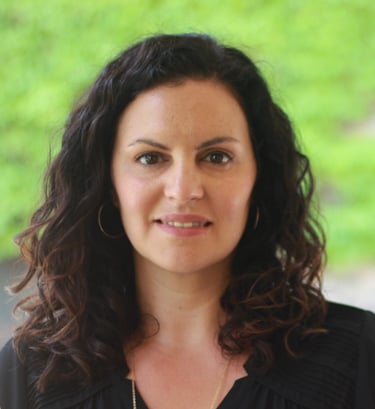
MEGHAN REILLY, LCSW
Meghan Reilly is a psychotherapist, educator, and relational trauma specialist with more than twenty years of experience working at the intersection of attachment, complex trauma, and embodied healing.
Her work is grounded in the belief that healing happens in relationship — not only in the therapy room, but in the spaces between clinicians, communities, and systems. She is deeply committed to supporting individuals, couples, and professionals in healing the relational wounds that shape present-day functioning.
Meghan approaches treatment from a place of curiosity, respect, and trust in the human capacity for connection and repair.
She draws from psychodynamic theory, relational approaches, and body-centered interventions, and has extensive training in complex trauma and dissociation. Meghan honors and confronts the ways in which systems of oppression and bias impact individual health and functioning.
Meghan is trained in Sensorimotor Psychotherapy (Levels I & II) and is currently pursuing advanced training in Deep Brain Reorienting.
Her clinical experience spans outpatient therapy, family systems work, medical environments, and an outpatient trauma center.
In addition to her clinical practice, Meghan is a trainer, consultant, and educator. She teaches the Couples and Relationship Therapy class at the University of Chicago’s Crown Family School of Social Work and has provided national training for many organizations including the March of Dimes.
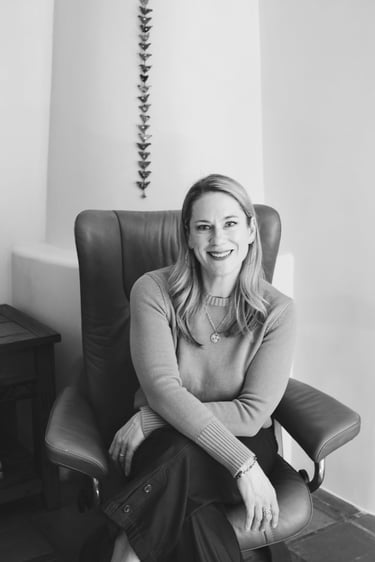
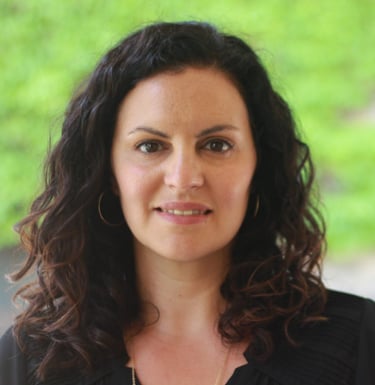
Morgan Vance is a psychotherapist with experience working at the intersection of trauma, healing, and relational change. Her work is grounded in the belief that each person enters therapy with their own unique history, challenges, and capacity for growth — and that the therapeutic process must honor that individuality at every turn.
She approaches treatment from a place of deep respect, drawing on an eclectic and collaborative framework tailored to each client's specific needs and goals. Her clinical focus includes survivors of sexual abuse and assault, domestic violence, medical trauma, anxiety and depression, attachment, and grief and loss. She finds meaning in working with anyone seeking healing, self-understanding, or a deeper connection to their relationships and place in the world.
Morgan is trained in Comprehensive Resource Model (CRM), EMDR and Deep Brain Reorienting, which all influence her work with complex trauma and dissociation. She is passionate about supporting clinicians in their efforts to practice from a relational and trauma-informed stance.
MORGAN VANCE, LCSW
MEET YOUR TRAINERS
GUEST COLLABORATORS THROUGHOUT THE YEAR:
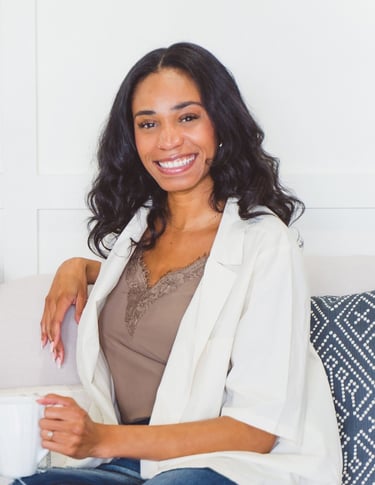

As a psychotherapist and an anti-oppressive practitioner, Richla will teach and support working relationally as an anti-oppressive therapist, tending to therapist bias and systems of oppression in the clinical space.
Richla Davis, LCPC
READY TO GO DEEPER IN YOUR TRAINING?
Establish a framework that guides your practice for decades. Click the link below to apply now and get started.
meghanreillylcsw@gmail.com
(708) 689-3041